

Helping the World Think Better
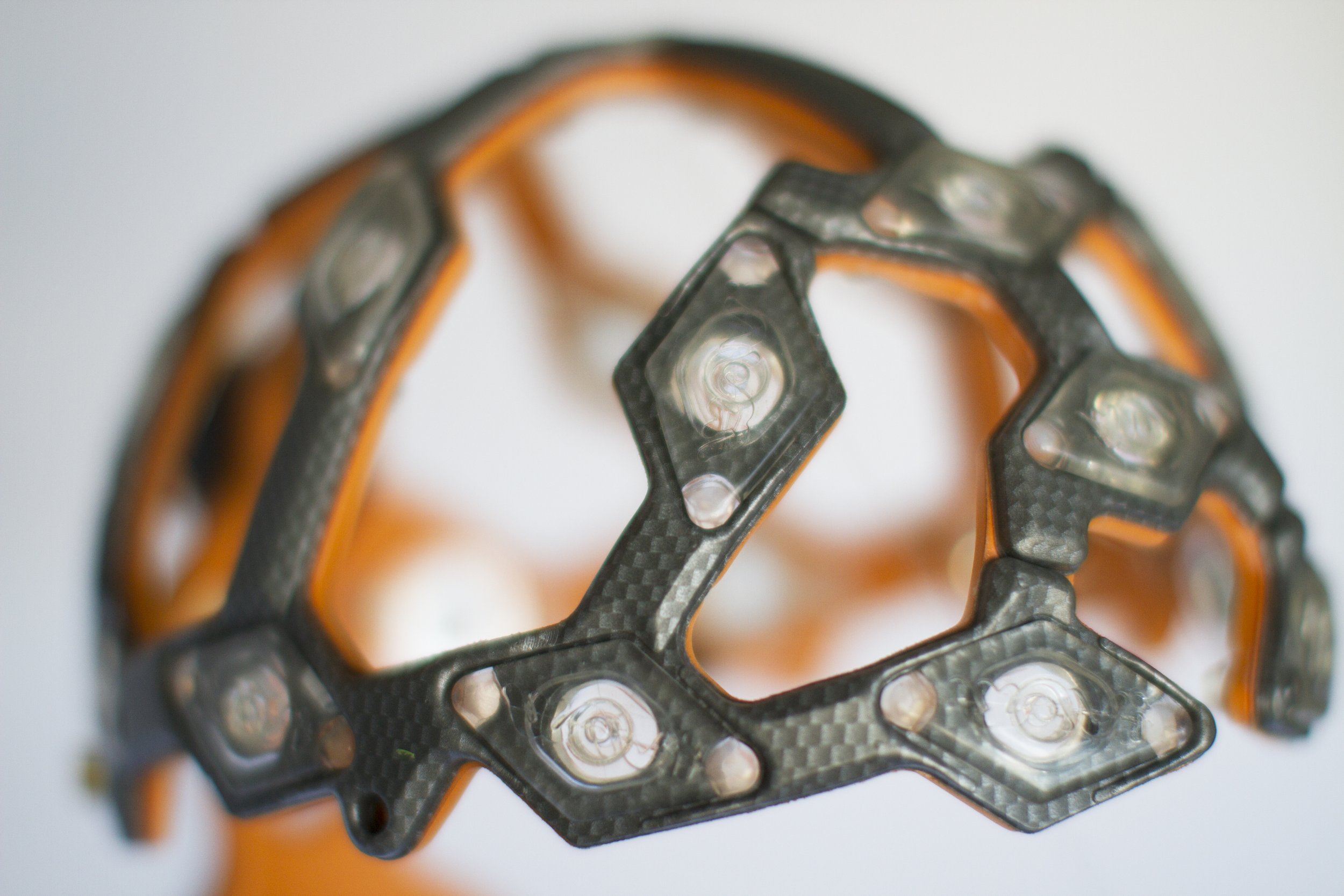

WAVi Brain Scan Assessments
The WAVi Brain Scan is a non-invasive, objective tool that evaluates brain function, including processing speed, attention, memory, and reaction time. This assessment provides valuable insight into how the brain is functioning under stress.
WAVi scans are commonly used to:
Establish a baseline of cognitive performance
Monitor changes over time
Support concussion recovery and neurological care
Evaluate the impact of stress, aging, or lifestyle factors on brain function
Results are reviewed in detail and may be used to guide chiropractic care, wellness strategies, and supportive recommendations aimed at optimizing nervous system and cognitive health.
WAVi P300 EEG brain scans help with safe return to play decisions.

A 20 year old NCAA football player had a concussive event in training camp confirmed by medical staff; removed from play and returned when symptoms, SCAT and ImPact normalized. He went on to have a successful NCAA and NFL football. career.
Research on WAVi
WAVi is an FDA cleared 20 lead electroencephalogram EEG) device developed by Dr. David Oakley.
A four year study utilizing WAVi was conducted at the University of Colorado, Boulder, with 364 student athletes (aged 17-23). The WAVi brain scans were used to measure and understand changes in brain reaction time after a sports-related concussion. The study utilized WAVi’s P300 ERP assessment to objectively measure brain voltage changes from baseline to post concussive function and to determine if these changes persist at return to play when other standard measures have normalized.
The results of the study showed that concussed players experienced a significant decrease P300 measurements of brain reaction time and brain voltage in the when compared to healthy baseline measurements. P300 changes persisted in 38% of players after other standard measures had normalized. Many players slow to normalize were part of the sub-concussive symptom group and/or appeared more prone to repeat concussions.
Dr. Oakley’s exciting research paper can be found here:
In-Clinic Event Related Potentials After Sports Concussion: A 4-Year Study
